
The South Australian West Coast ACCHO Network (SAWCAN) is a collaborative network of Aboriginal Community Controlled Health Organisations serving communities across the Eyre and Far West Coast of South Australia. SAWCAN supports members to share knowledge, strengthen collaboration and improve the health and wellbeing of Aboriginal people and communities.
The South Australian West Coast ACCHO Network (SAWCAN) was established in 2020 by Aboriginal Community Controlled Health Organisations (ACCHOs) across the Eyre and Far West Coast of South Australia to strengthen regional collaboration and improve the health and wellbeing of Aboriginal people and communities.
SAWCAN provides a forum for ACCHOs to work together, share knowledge and expertise, build capability, coordinate regional initiatives, and advocate on matters of shared importance.
Guided by the priorities identified collectively by its member ACCHOs, SAWCAN supports collaborative initiatives across a region spanning approximately 1,300 kilometres from Whyalla to the Western Australian border.
Stay connected with SAWCAN
Tackling Indigenous Smoking
Program of the month
Australia’s Tackling Indigenous Smoking Program is a community-led program that aims to improve the health of our people by inspiring all of us to quit or cut down on smokes and vapes. Smoking is a significant health issue within these communities, contributing to various chronic diseases and a reduced life expectancy.
Latest from Facebook

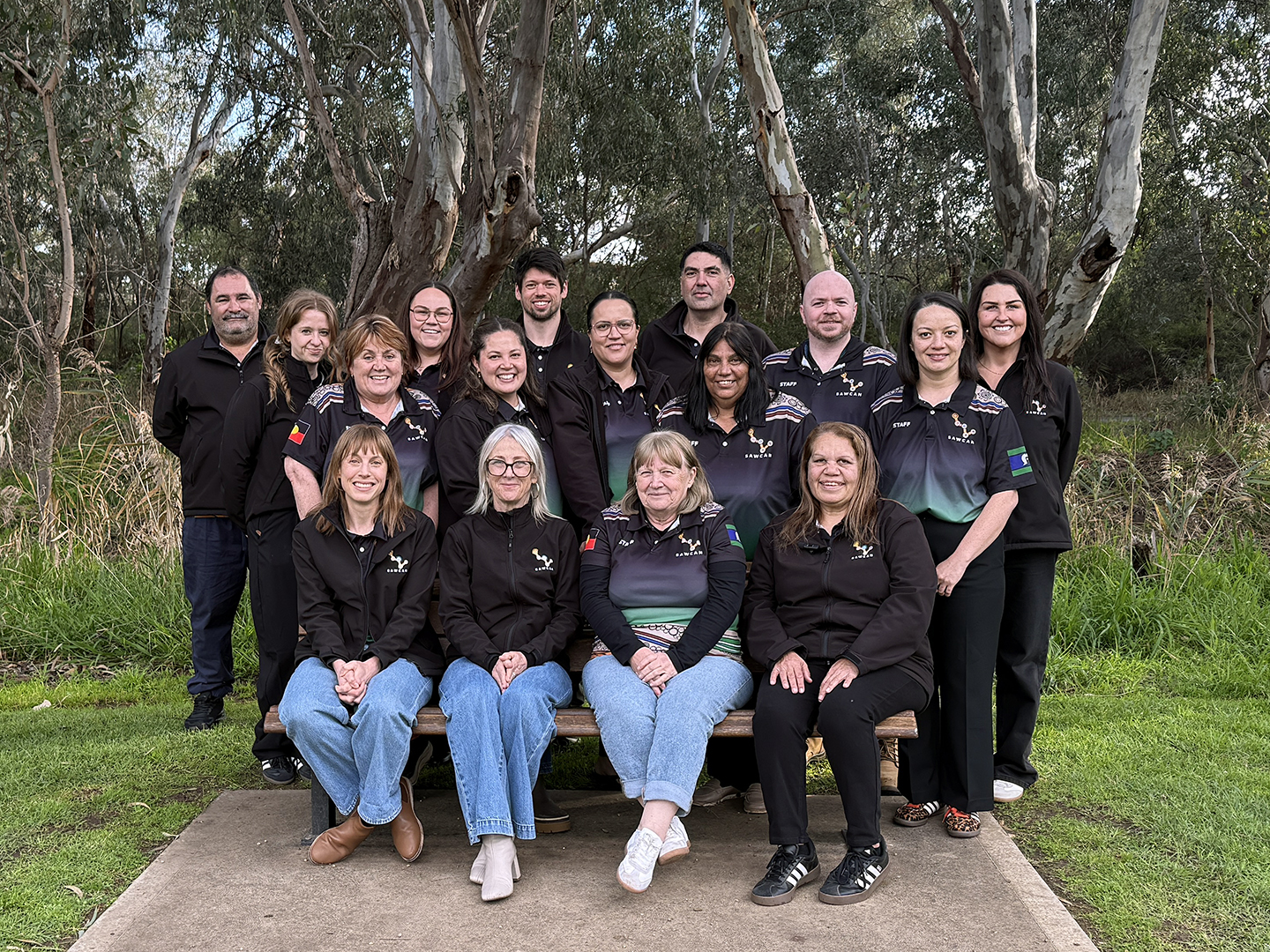
Check out this deadly mob ❤️💛🖤
🎶Get down on it🎶 🚽 and do your test!
#noshamejusthealth
#yadudreamteam ... See MoreSee Less
13YARN's new Text and Type services are live!
Mob can now connect with culturally safe crisis support in the way that feels right for them.
📞 Talk by calling 13YARN 13 92 76
💬 Text on 0447 13 92 76
⌨️ Type through online chat at 13yarn.org.au
No matter how you choose to connect, you'll be supported by an Aboriginal and Torres Strait Islander crisis supporter who is there to listen, yarn and support you.
13YARN. Talk. Text. Type.
Your yarn, your way. ... See MoreSee Less
Did you know - there's a new journal available through your local ACCHO to help celebrate your little one's story as they grow.
It's a place to record milestones, and memories you'll want to look back on.
Inside, you'll also find information that’s easy to understand about your child's development and helpful tips on when to have a yarn with your Child Health team.
It's a journal for you to use in your own time and in your own way. To find out how to get yours, have a yarn with your local ACCHO Child Health team.
Nunyara Aboriginal Health Service Inc Galinyala Aboriginal Health Services Yadu Health Aboriginal Corporation Tullawon Health Service Inc #OakValleyHealth
#SAWCAN #StrongerTogether #SupportingOurMob ... See MoreSee Less